
Mary Maldé
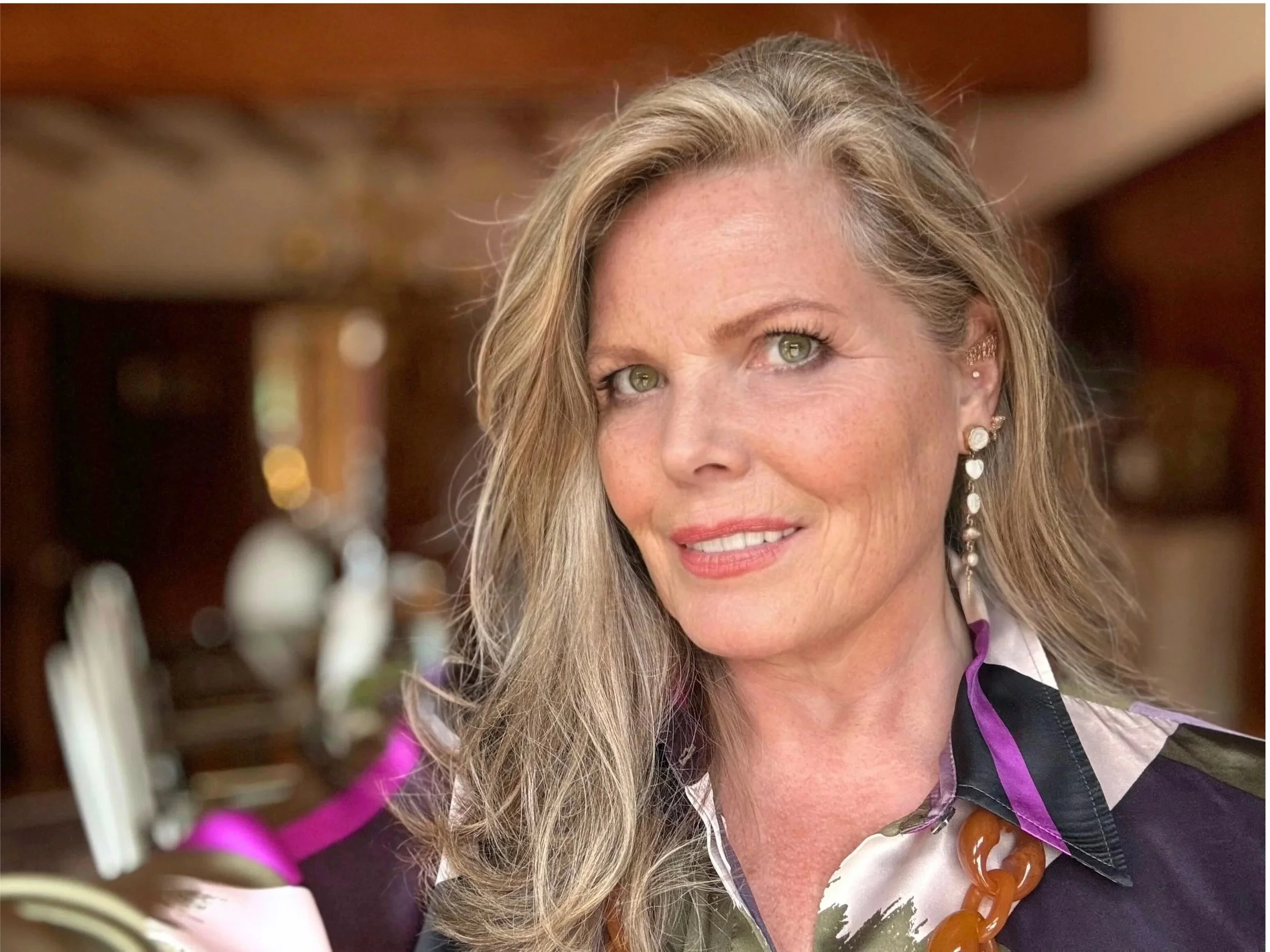
Founder & Creative Director of
Mary Maldé Interior Design
Designing homes that feel instinctively right
My work is grounded in a deep interest in how we respond to the places we live in — beyond what we see.
Early in my career, I relied largely on instinct and intuition when working with colour and design. That instinct and intuition remains an important part of how I design, but I wanted to understand more deeply what I was observing: why a space could look resolved, yet not feel quite right to those who lived there.
Understanding colour more deeply
This led me to study colour and design psychology more deeply.
While I had always understood the emotional impact of colour from my own experience — what felt cocooning, uplifting or unsettling — this gave me a framework for understanding those responses more deeply and applying that knowledge when designing for clients.
More importantly, it helped me recognise that my own experience of a place wasn't necessarily the reference point. What feels instinctively right to me may feel entirely different to someone else — and their response is no less valid for being different from mine.
That changed the way I design. My role isn't to impose my own preferences, but to understand the patterns in what feels right to each client — then bring my eye, experience and judgement to creating something considered, coherent and distinctly personal to them.
I also know what it's like to be on the other side of that relationship.
Before I trained as an interior designer, I worked with a designer on my own living room. It was a beautiful room with wonderful architectural qualities, yet the finished interior never felt right for us. I had allowed myself to settle for someone else's idea of beautiful — an experience that became part of what inspired me to train as an interior designer.
Years later, my study of colour and design psychology helped me understand more clearly something I had already experienced for myself: a beautifully designed room isn't necessarily the right room for the people who live there.
The foundation of Earth States®
From this, I developed Earth States® — a philosophy and methodology that brings together formal study, observation and practical experience to understand the relationship between people and place, beginning with how an individual responds to colour and the wider qualities of space.
When something begins to shift
Perhaps your home has stopped working as well as it once did. Your needs have changed, you're planning a significant renovation, or you simply sense that it's time for something different.
You may already know what isn't working. You may even have a sense of what feels right, without yet being able to articulate exactly what that is or why.
It's a point many of my clients reach — and often where our work together begins.
Shaping what comes next
My role is to understand the patterns within what feels right to you, then bring colour and all the other elements of a space together in a way that is considered, expressive and personal.
A holistic way of designing
My approach to interior design is holistic, considering not only how a home looks, but how it feels to experience, how it functions and the people who live there.
Colour, light, materials and the wider elements of a space are never considered in isolation, but in relation to one another, to the people who inhabit the place and to the home as a whole.
Influence & perspective
I trained in residential interior design at the KLC School of Design and have since specialised in Advanced Applied Colour & Design Psychology with Karen Haller FRSA, alongside wider study of colour and design psychology and Biophilic Design. I am also certified by the NCS (Natural Colour System) Academy in Interior Colour Design and a member of the British Institute of Interior Design.
Time spent in natural, elemental environments continues to influence how I think about home — not as something prescribed by a particular style, but as a place to be experienced and lived in over time.
The aim, however, is simple:
To design residential interiors so that they feel instinctively right and unmistakably yours.

Creating a considered, coherent home that works beautifully for the way you live, feels instinctively right and is unmistakably yours.